
Middle School at Down to Earth
“We cannot solve the problems of our time with the same thinking that created them.”
— Albert Einstein
RSVP for our Middle School Meet Up
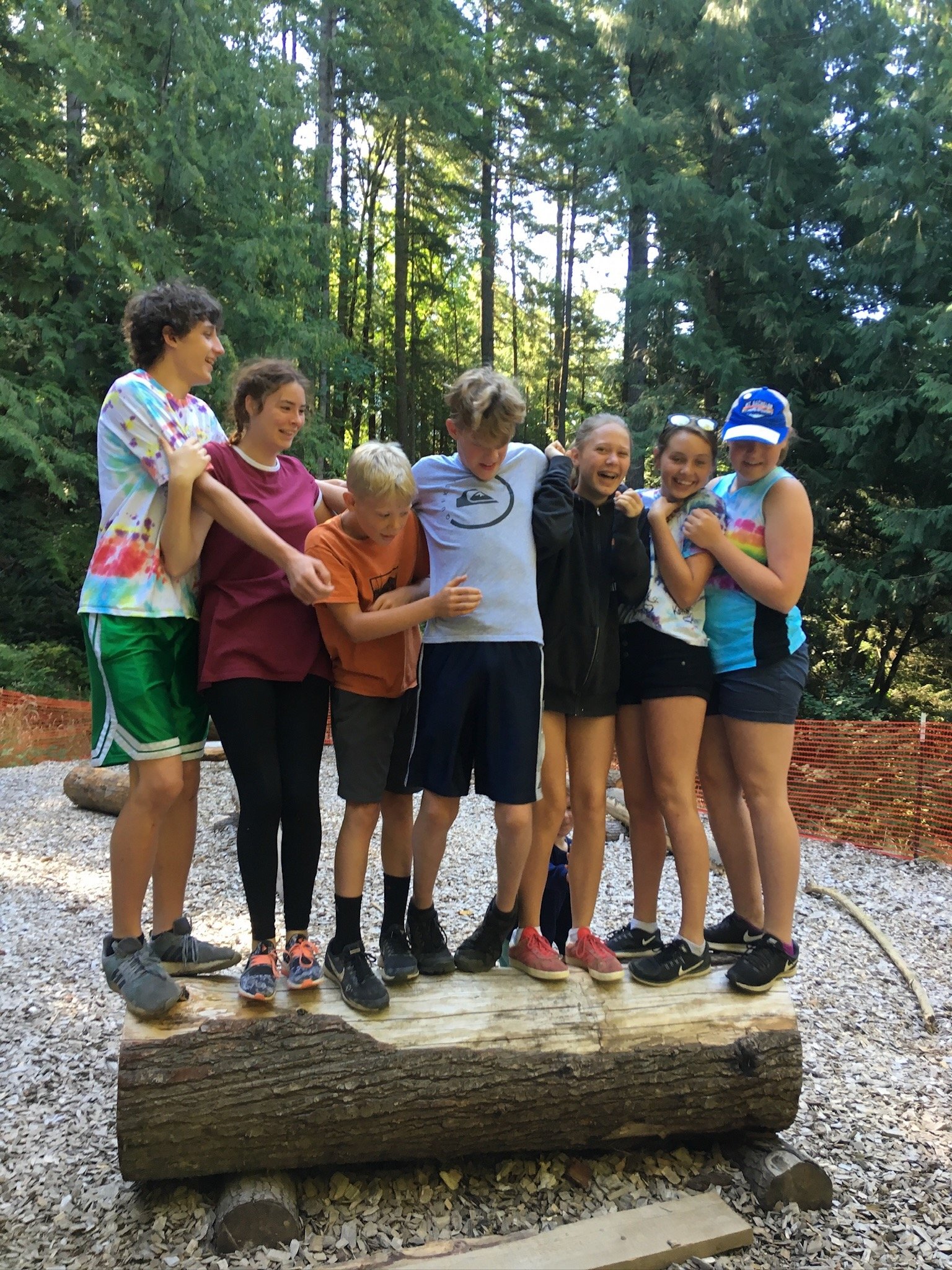
Middle school is a threshold—one of the most profound developmental shifts of childhood. Adolescents are craving independence, belonging, and meaning, while still needing structure, mentorship, and clear boundaries.
At Down to Earth, we’ve designed a middle school model that meets adolescents where they actually are—and prepares them for the world they are growing into. Philosophically, we believe adolescence is a time for autonomy, exploration and self discovery. Pedagogically, we are pulling from concepts similar to Liberated Learners, Agile Learning, Acton Academies and Sudbury models - in essence, educational self determination and school sociocracy.
This is not school as usual.
It’s intentional, relational, and built for real growth.
Why a Different Middle School?
We cannot keep educating young people the same way, generation after generation, and expect them to solve the problems our world faces. As the saying goes, repeating the same approach while hoping for new results is the definition of insanity.
Traditional school models were designed for a different time, and they are no longer sufficient for the realities our children are inheriting. If we want young adults who can think critically, act responsibly, and lead meaningful change, we must be willing to fundamentally rethink how we educate them—now, not later.
We see it every day: many adolescents are anxious, disengaged, or quietly unhappy in traditional school settings.
Too often, middle school sends the message:
Sit still.
Do what you’re told.
Don’t question.
Comply, or fall behind.
Over time, students learn to outsource their decision-making. This can lead to anxiety, avoidance, apathy, or checking out entirely.
Our core belief:
Adolescents don’t need less structure—they need structure that makes a difference.
They need:
Autonomy and agency
Time with peers
Space to explore interests deeply
Trusted adults who mentor, guide, and hold them accountable
Down to Earth Middle School is built to do exactly that.
What We Mean by “Self-Directed”
When we say self-directed, we do not mean “kids do whatever they want.”
Self-directed learning at Down to Earth means:
Students have meaningful choice in what and how they learn
Learning happens within a clear framework of expectations
Adults provide consistent mentoring, instruction, and accountability
The goal isn’t freedom for freedom’s sake.
The goal is to develop the skills that matter most in adolescence:
Planning and follow-through
Communication and collaboration
Time and attention management
Critical thinking
Learning how to learn
In short: autonomy with support.
A Day in the Life
Here’s what a typical day can look like.
Morning Community Check-In
Students arrive and begin the day together. There’s time to connect with peers and mentors, review daily goals, and make sure everyone has a clear on-ramp into meaningful work.
Workshops
Short, focused learning sessions offered by adults based on student goals and needs.
These may include:
Writing
Math
Research
Debate
Science labs
Art studio
Skill-building intensives
Workshops may be optional or recommended, depending on the student.
Project Blocks
Students work on longer-term projects—individually or in teams—while adults circulate to:
Coach
Confer
Ask questions
Offer instruction
Support problem-solving
Projects require real skills: reading, writing, math, research, design, revision, and presentation.
Community Responsibilities
Students actively contribute to the health of the school:
Running meetings
Maintaining shared spaces
Planning events
Practicing leadership and collaboration
Reflection & Documentation
Students regularly capture evidence of learning:
What they worked on
What they learned=
What worked (and what didn’t)
What’s next
Throughout the day, adults are present—mentoring, teaching, mediating conflict, tracking growth, and ensuring students are engaged in meaningful learning.
Our Non-Negotiables
Structure, safety, and accountability are essential.
Safety & Supervision
Clear boundaries exist for:
Where students can be
Which spaces require adult presence
What safe behavior looks like
Community Agreements
We explicitly teach and practice how to be in community, including:
Growth mindset
Consent
Restorative justice
Sociocracy and shared leadership
Behavior Support
When something goes wrong, we respond.
That includes:
Repair and restitution
Reflection
Loss of privileges when needed
Structured re-entry plans
Attendance & Participation
Self-directed does not mean disappearing.
Students are expected to:
Be present daily
Make a plan
Follow through—with support
No Personal Devices
We protect attention, relationships, and nervous system regulation.
Personal phones, tablets, and laptops are not used during the school day.
How Learning Is Assessed
Portfolios, not grades
Learning is documented through living portfolios that include:
Drafts and revisions
Project plans and research notes
Writing samples over time
Math work and problem-solving evidence
Presentations, exhibitions, and performances
Reflections showing metacognition
Assessment happens through:
Workshops and skill tracks
Projects that require real application
Regular mentor conferences
Portfolio reviews and public exhibitions
Middle schoolers are capable of extraordinary work when it feels meaningful and they are supported consistently.
Accountability: What Prevents “Coasting”?
This is a fair and common question.
Here’s how we ensure students don’t drift:
Weekly mentor meetings to set goals and review progress
Clear expectations for daily engagement in meaningful work
Visible evidence of learning through portfolios
Targeted support when students get stuck—more structure, smaller goals, required workshops, increased check-ins
Autonomy is real.
So is accountability.
Is This a Good Fit?
This model can be life-changing for:
Students who want more agency
Kids who learn best by doing
Adolescents seeking belonging, purpose, and meaning
It can feel challenging at first for students who are used to being told exactly what to do every moment. That discomfort is part of the learning—and we teach planning, starting, and persisting every step of the way.
We’re not looking for “perfect independent kids.”
We’re building independence.
What Students Leave With
Over time, students develop:
A strong sense of agency
Real-world competency
Time and attention management skills
Effective communication with peers and adults
Critical thinking and problem-solving skills
Self-awareness
Collaboration and leadership abilities
Conflict repair skills
Work they are genuinely proud of
A sense of altruism and connection to community
The Schedule (At a Glance)
School Day: Monday–Thursday, 9:00–4:00
School Year: Follows the Down to Earth calendar
Weekly Rhythm Includes:
Community meetings
Mentor meetings
Community engagement & volunteering
Nature connection
Community lunch
Educational offerings
Quarterly:
Interest-based enrichment offerings
Portfolio reviews
Mentor–student–family meetings
Yearly Experiences:
Portfolios
Seasonal celebrations (solstice & equinox)
Nature immersion trips (bookending the year)
Exhibitions, presentations, and performances
Rights of Passage that emerge organically through student culture
What Comes Next
Down to Earth began because a few families were willing to step outside the usual paradigm and try something new.
That risk paid off.
The program is thriving—and now our students are ready for the next step.
Families are looking for a middle school that:
Keeps curiosity intact
Honors adolescence
Reflects how children actually learn
We’re ready to build this—together.
We invite you to join us.
Resources:
Websites
Book Recommendations:
The End of Education as we Know It: Regenerative Learning for Complex Times — Ida Rose Flores
Nature and the Human Soul: Cultivating Wholeness and Community in a Fragmented World — Bill Plotkin
How Children Succeed: Grit, Curiosity, and the Hidden Power of Character — Paul Tough
Prepared: What Kids Need for a Fulfilled Life — Diane Tavenner
Creating Innovators — Richard Rende
Listen: