Middle School
We have a few spaces available for 2026-27! (updated Oct, 2026)
“The mind is not a vessel to be filled, but a fire to be kindled.”
Monday - Thursday
9am-3pm (soft start, 9-10am)
2855 Jolie Pointe Road, West Linn, OR
info@downtoearthforestschool.com
Middle school is a threshold—one of the most profound developmental shifts of childhood. Adolescents are craving independence, belonging, and meaning, while still needing structure, mentorship, and clear boundaries.
We’ve designed a middle school model that meets adolescents where they are — and prepares them for the world they are growing into.
Middle School is the sunset of one’s childhood. Give your child the gift of time and space to discover more about themselves while also learning and growing with peers and loving, intentional adults.
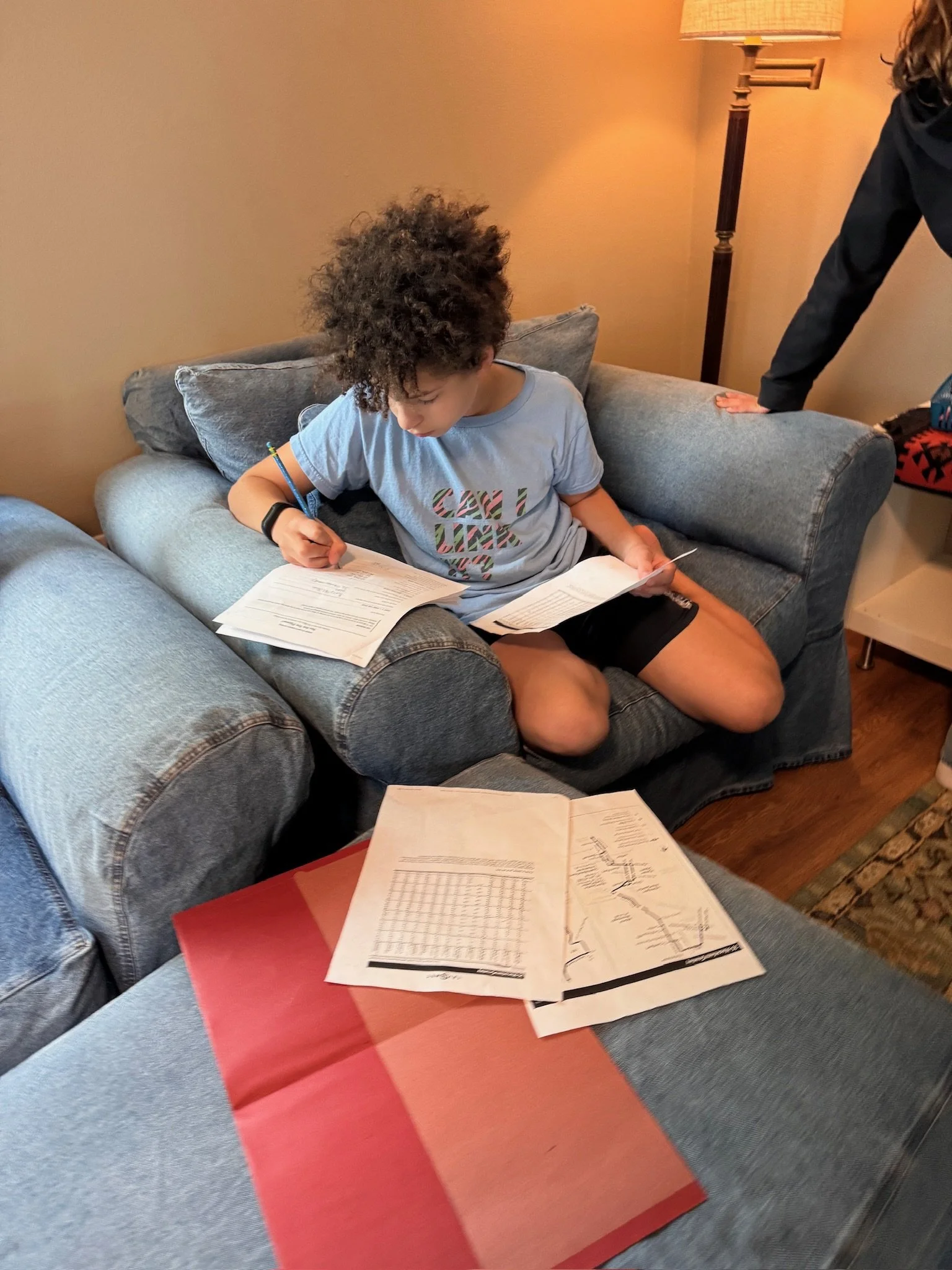
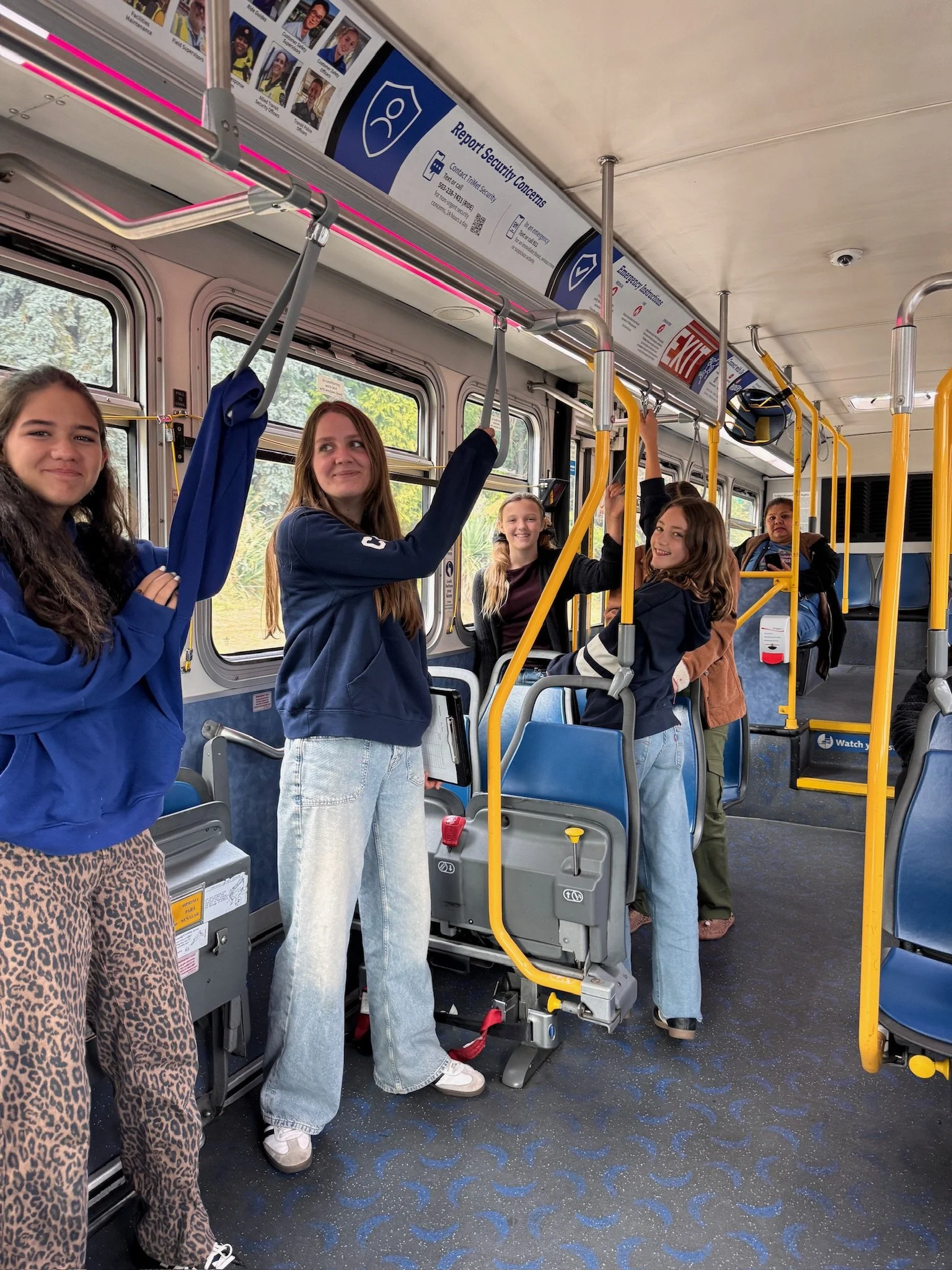
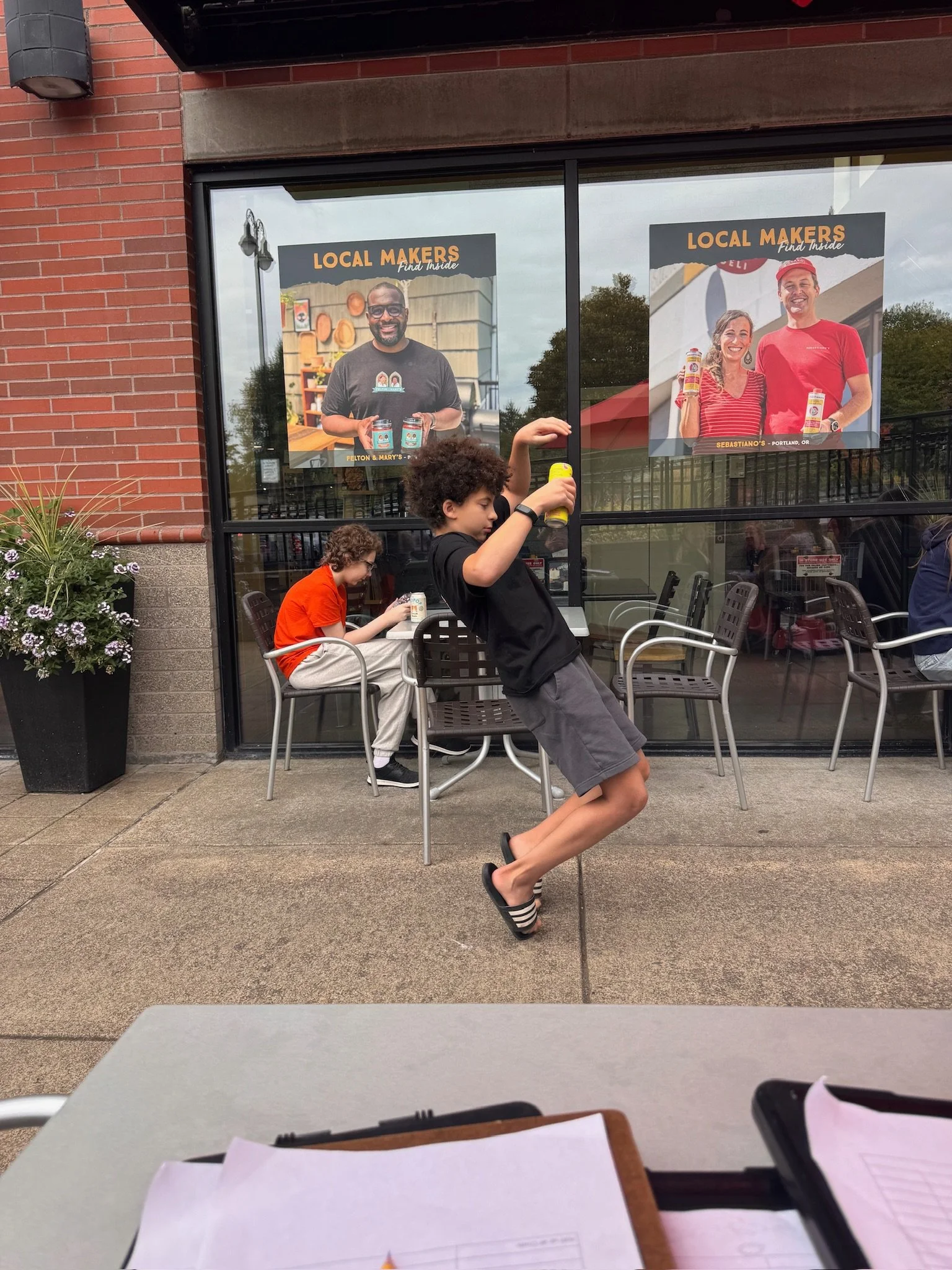
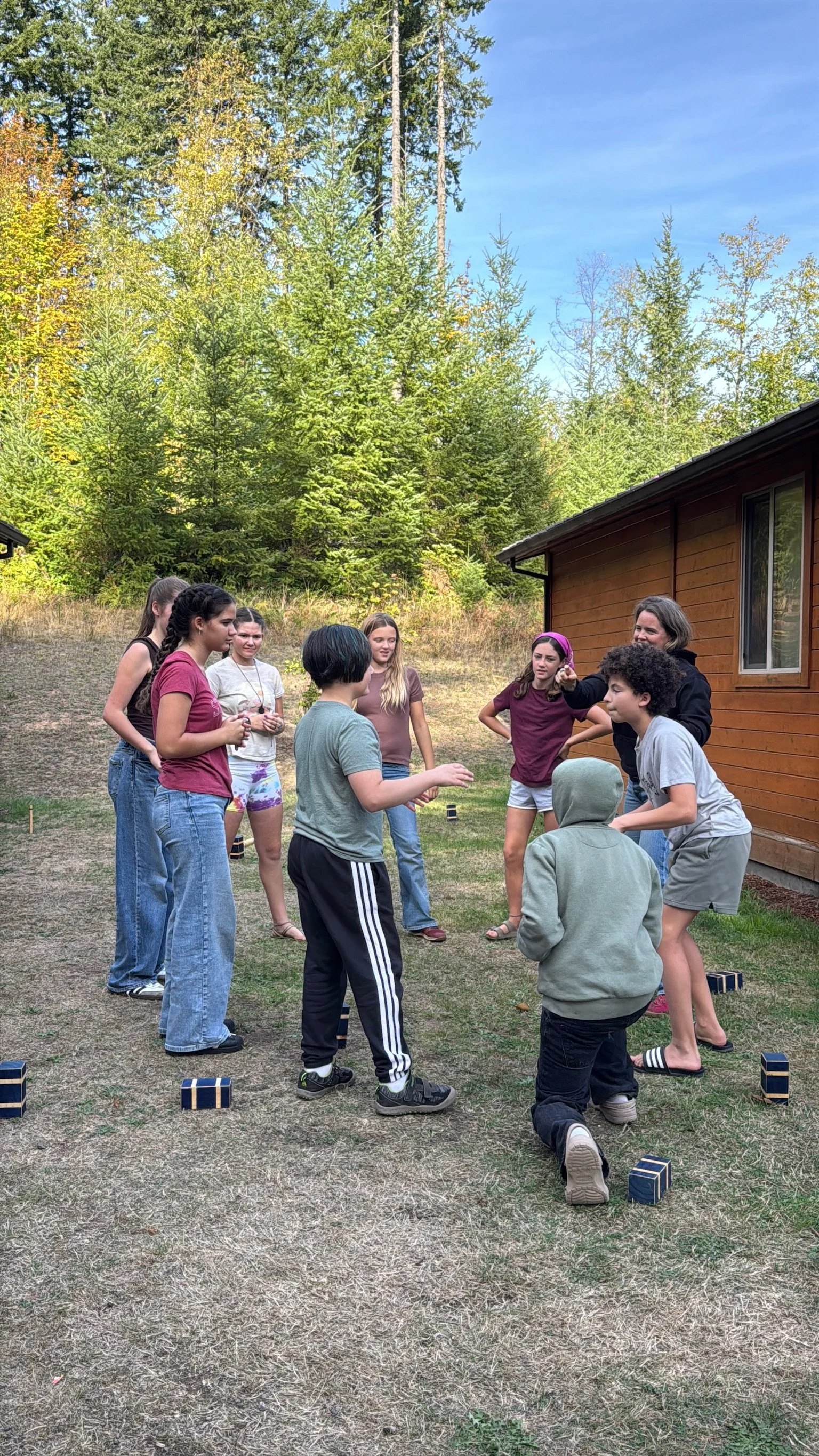
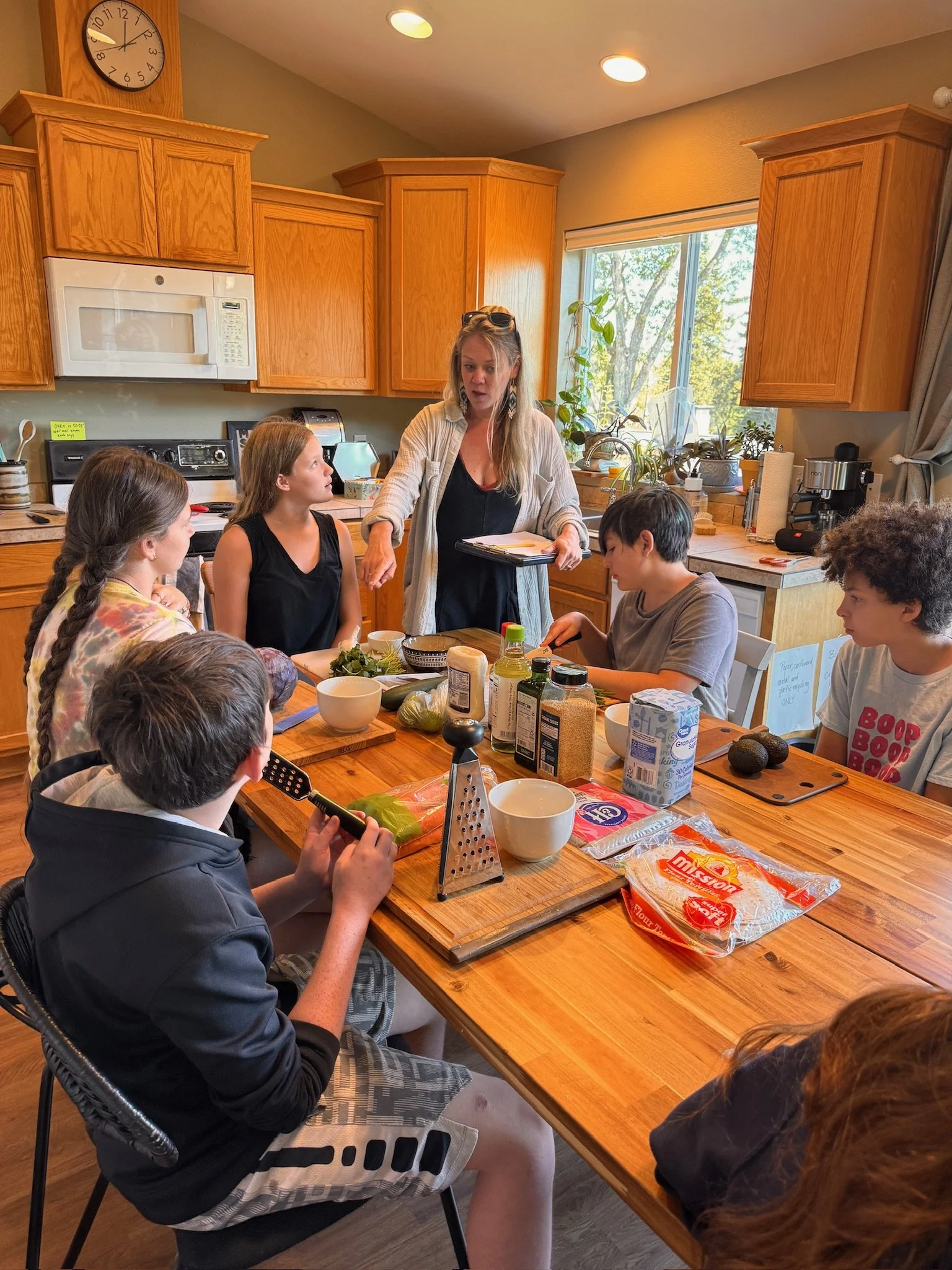
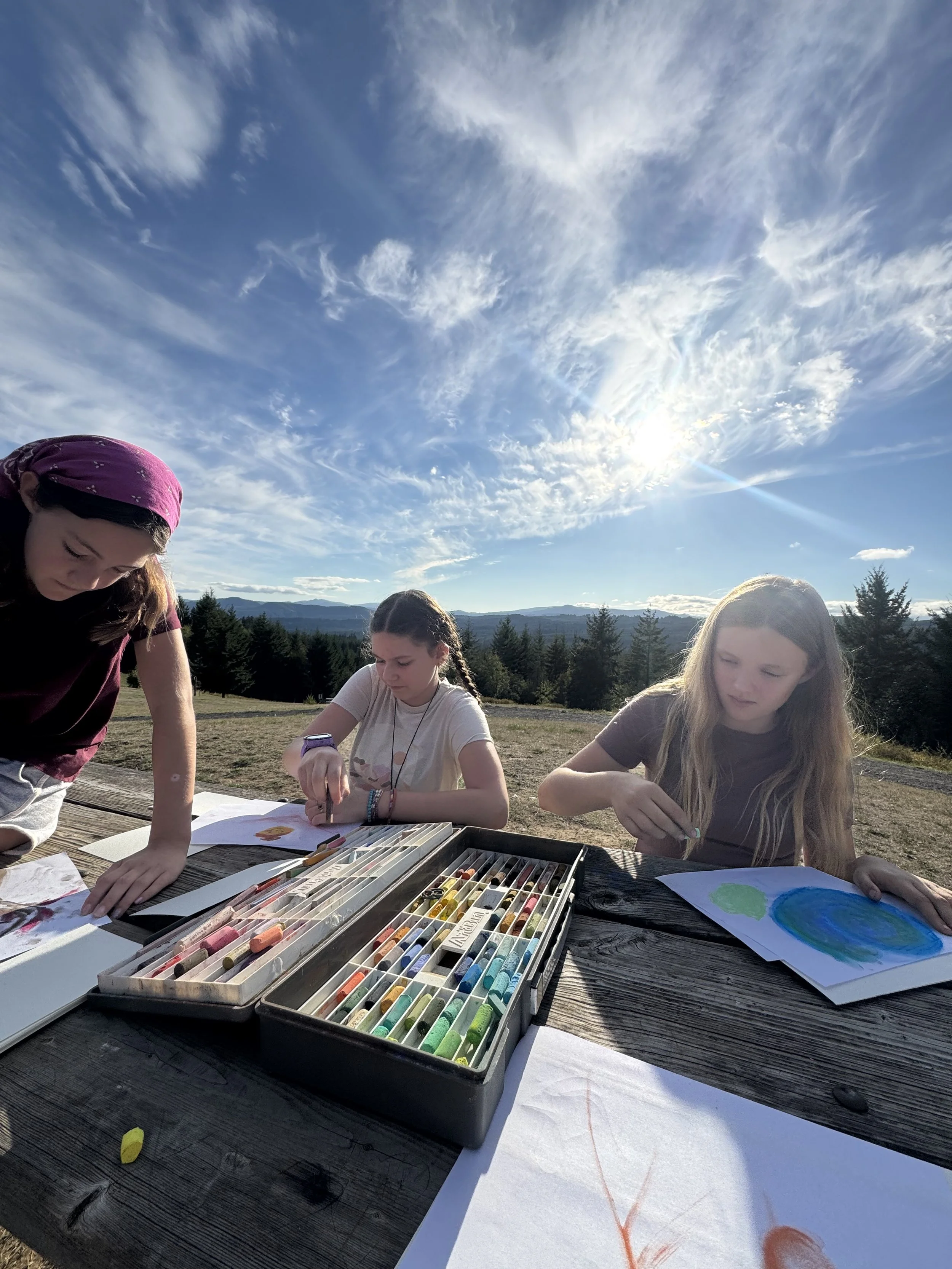
We're here because education can be done differently
Most schools run on the power of external motivation and give students little to no agency in making their own decisions. The result? Teens who are anxious, avoidant, apathetic, or checked out completely.
How We Do Things Differently
The antidote is not to “let kids do whatever they want.” What adolescents need, and what we offer them is:
Agency: Together with their parents and mentor, students co-author their own learning path and goals
Community: Quality time with peers, meaningful relationships with adults, and a connection to their home and school neighborhoods
Curiosity: Space to try new things, to play and tinker, and to explore their interests deeply
Introspection: Students learn to notice and name their emotions, and to reflect on how they plan, how they learn best, and where they're strong and where they're still growing
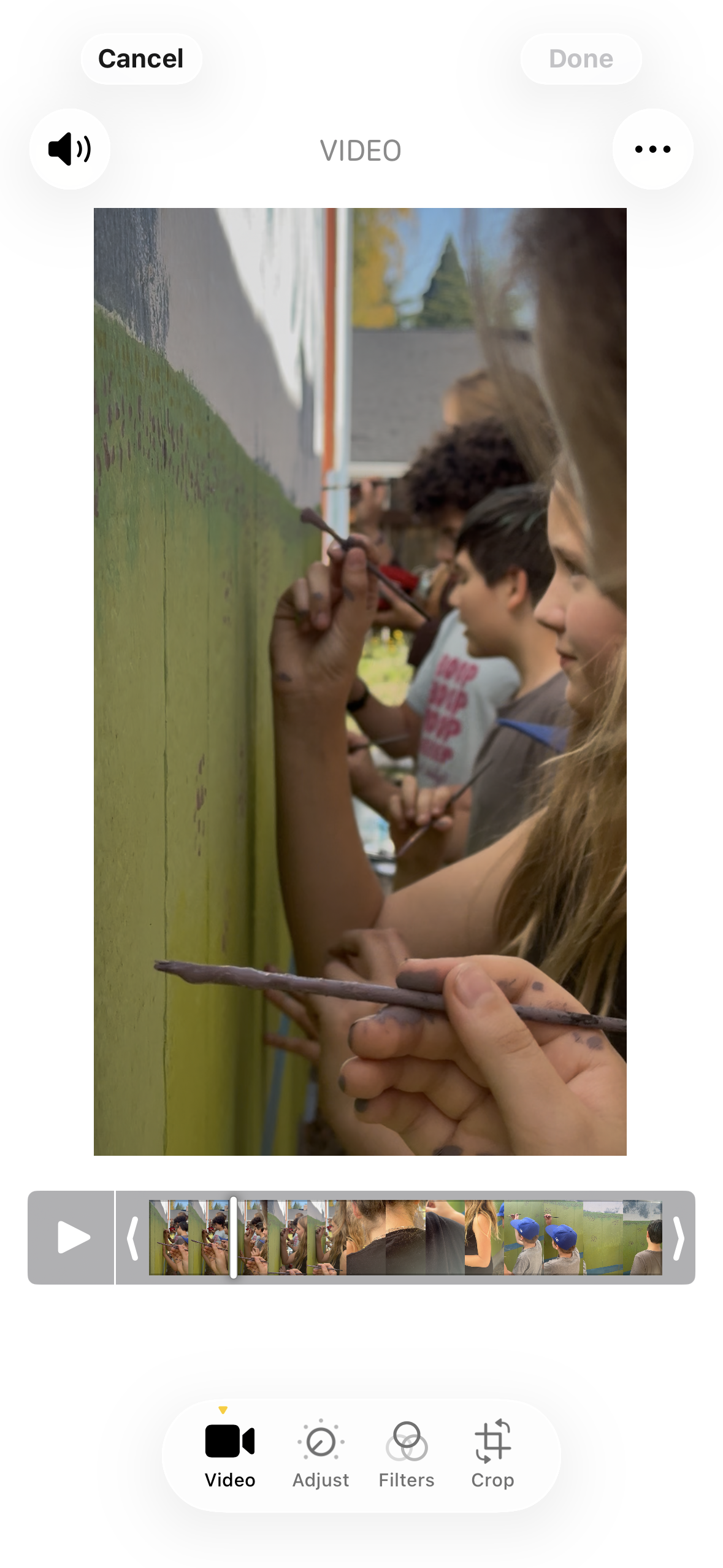
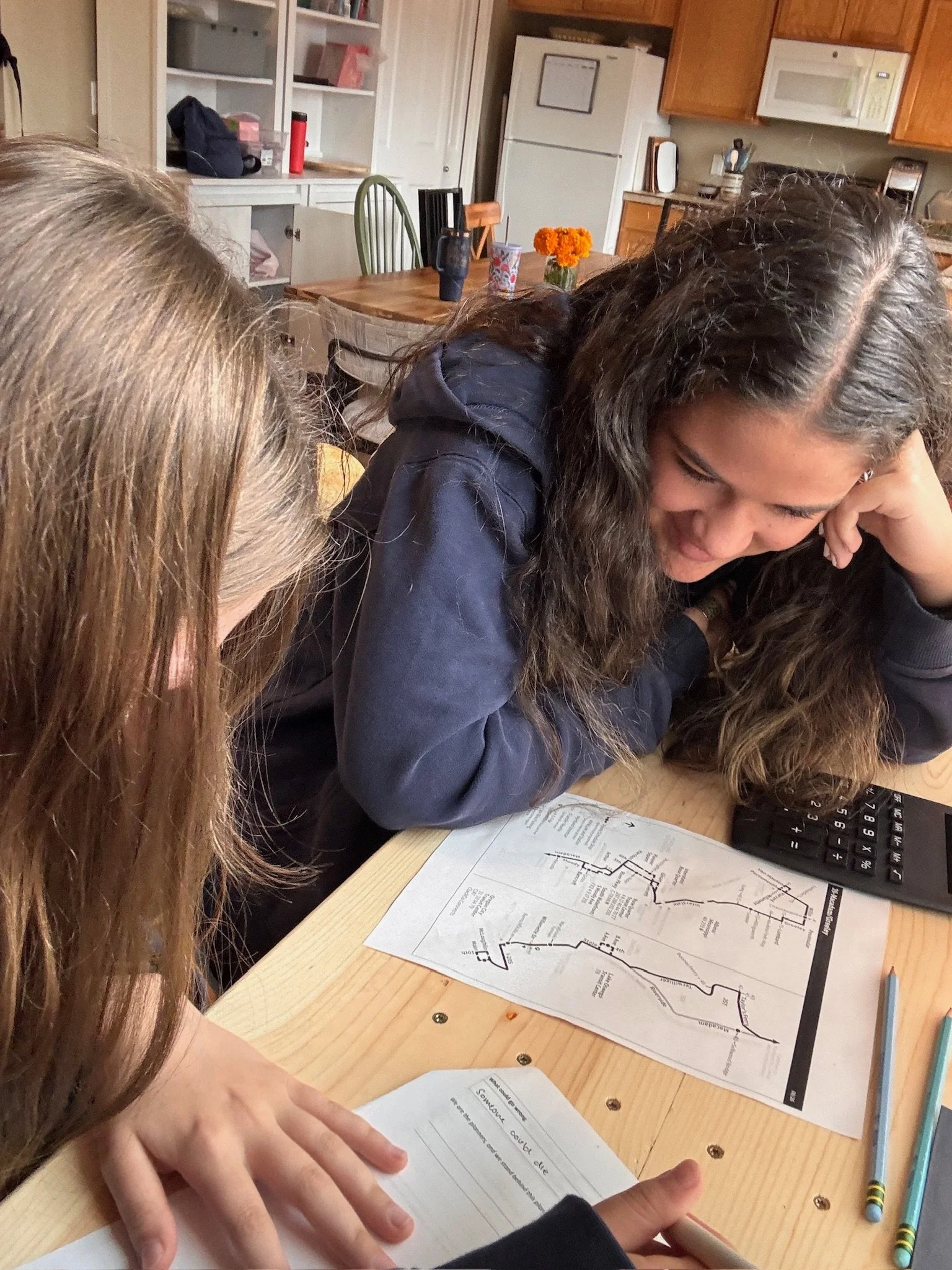
What does it mean to be “Ready for High School” anyways?
We prepare our students for the world that awaits them, as well as for the world we want for them. Our students leave middle school with the abilities to:
Communicate and collaborate with a diverse array of people
Practice time and attention management
Set goals and follow through in a way unique to their learning styles
Productively question and interpret information
Act as an empowered leader of their own life
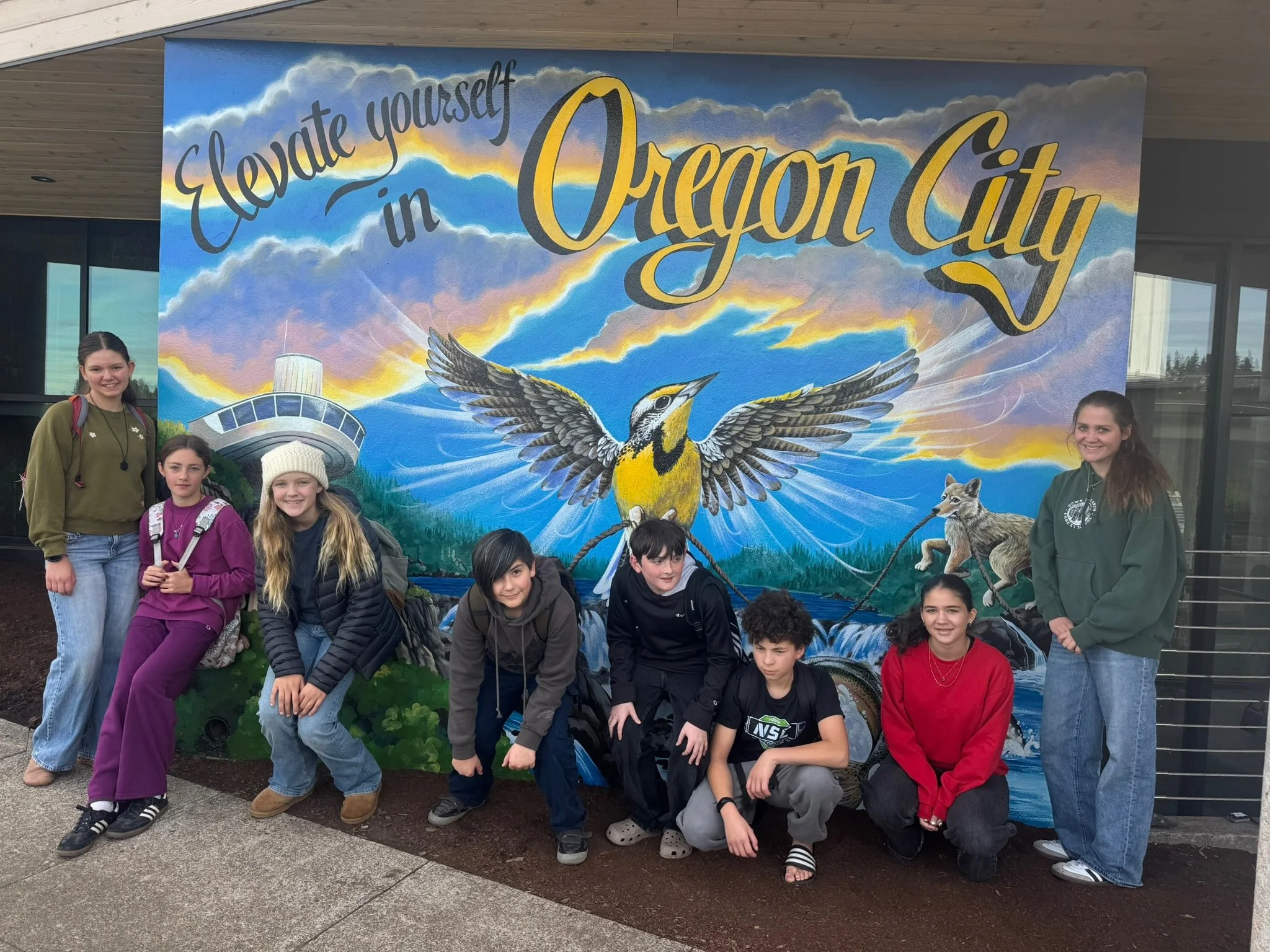
- Johann Wolfgang von Goethe
Life at Down To Earth Middle School
All students grades 6-8 spend their days together, with time spent in small groups based on interests and skills, not age.
Personal Device & Tech Use: We prioritize attention, relationships, and nervous system regulation. Personal phones and devices are not used during the school day. When appropriate, we provide school tablets and computers for supervised research and digital skill building.
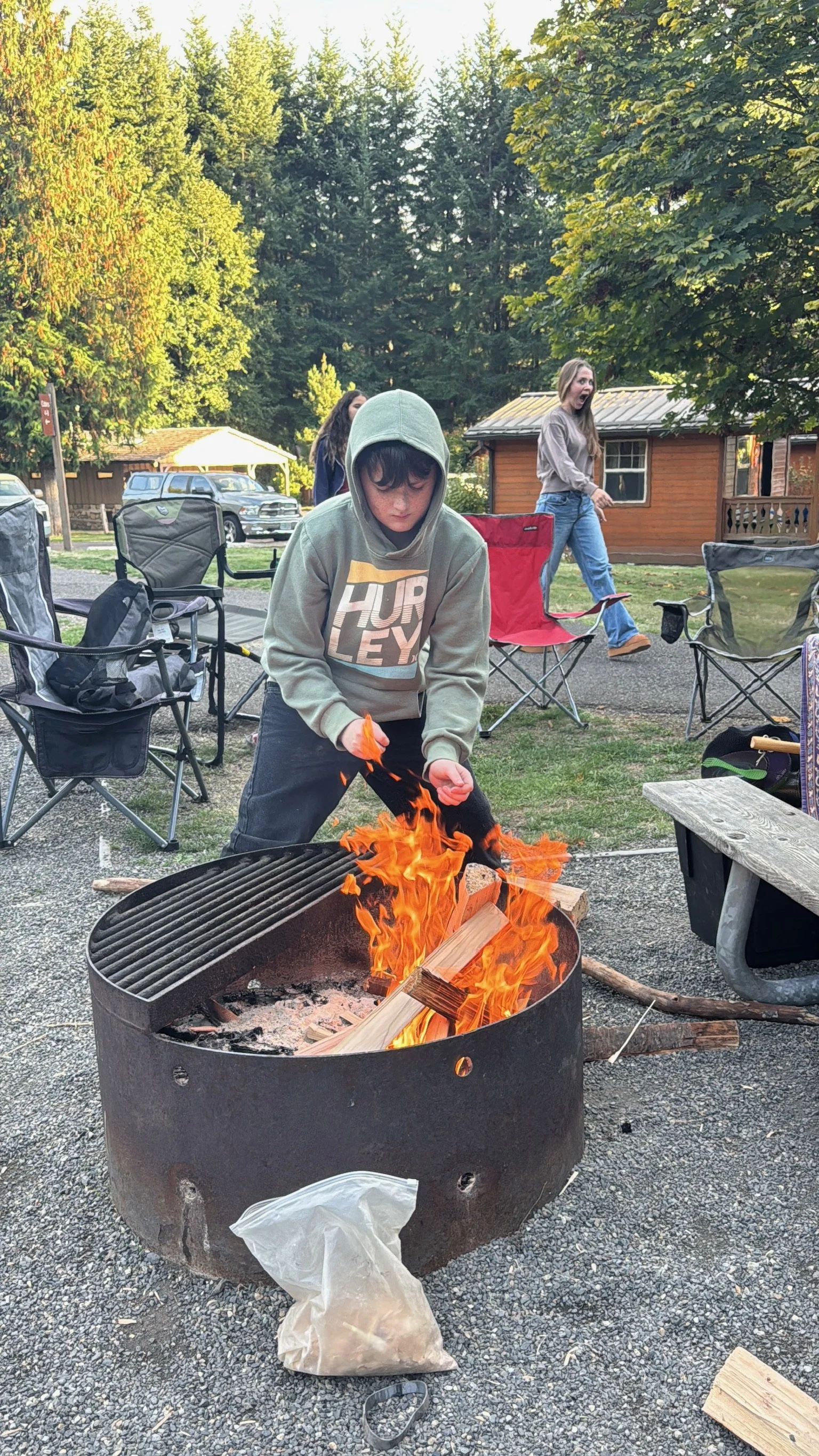
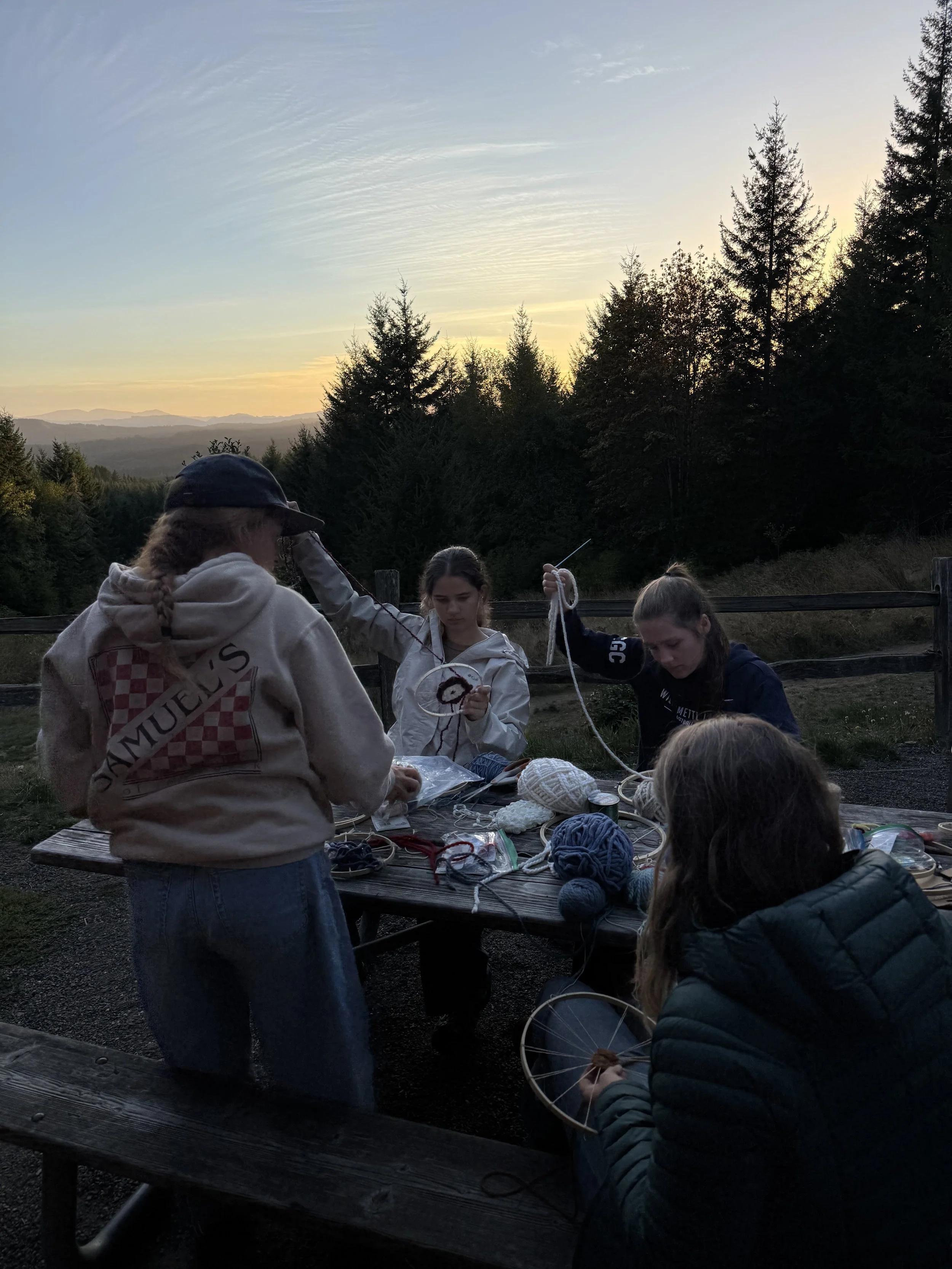
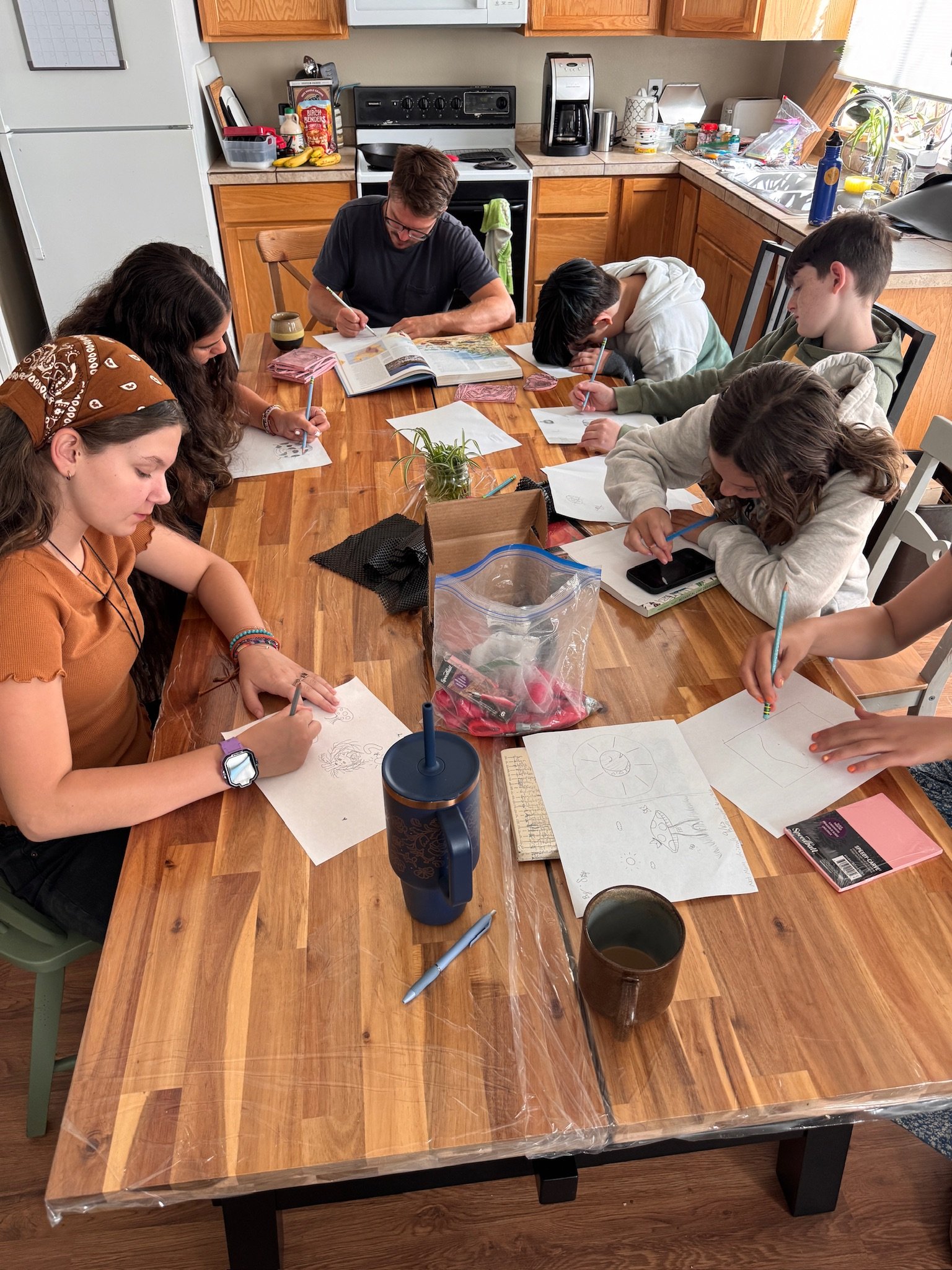
-
Mondays, Wednesdays, Thursdays:
9-10am: Soft Start
Flexible time for exploring personal interests, try new things, or engage in collaborative projects
10am: Community Meeting
We gather to discuss our plan for the day and check in on any community projects or needs
10:30am-12pm: Academic Study
Small group learning blocks based on student interest and goals
(such as: Novel Study, Personal Finance, Local Geology, Math Skills, Physics of Portland’s Bridges, History of Portland’s Artists)
12-1pm: Lunch
Community lunch made together once/week. Lunch eaten on site or at nearby Mary S. Young Park.
1-3pm: Academic Study and Enrichment
Further small group learning blocks and additional offerings based on student interests
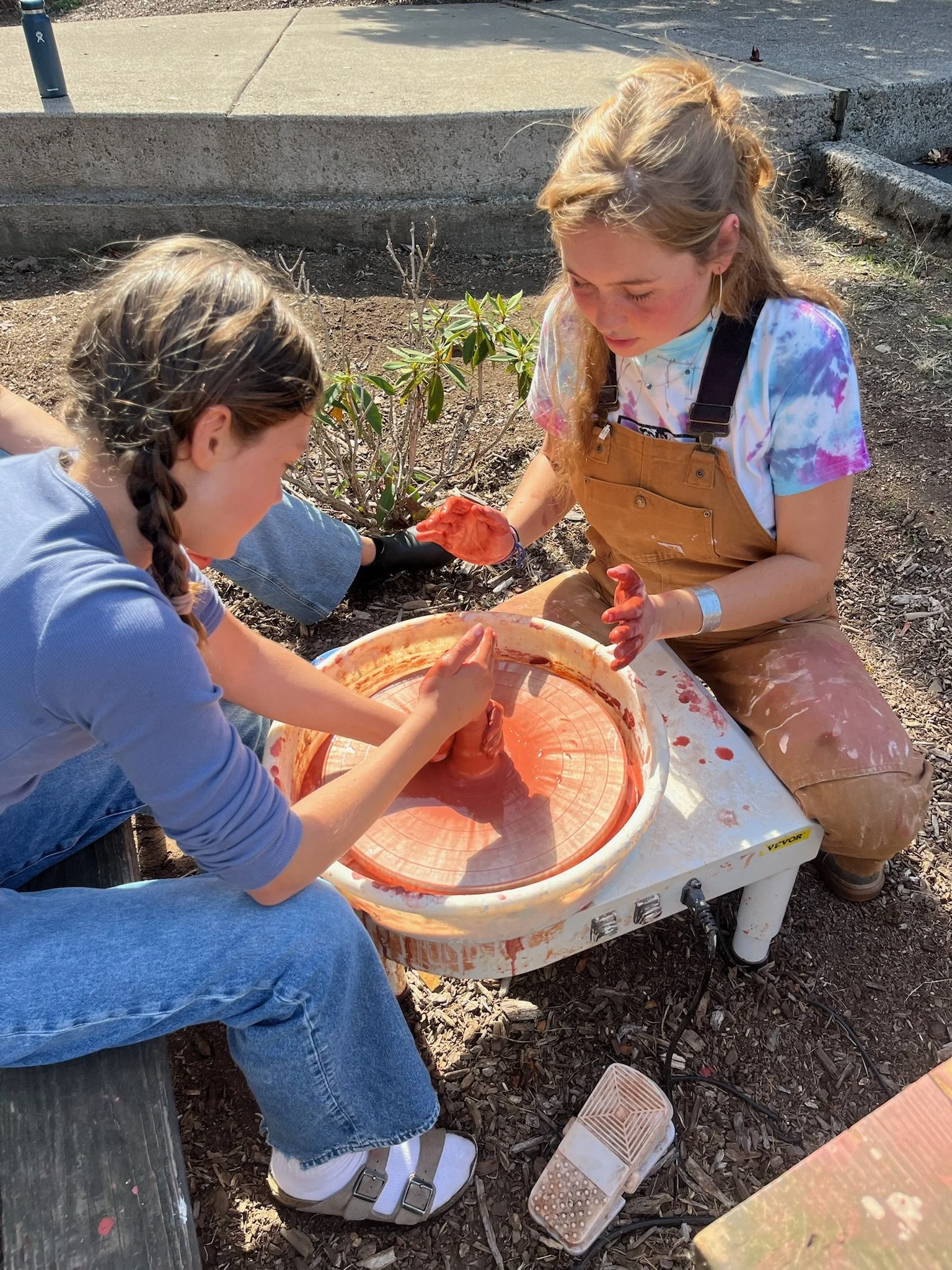
(such as: Music, Language Study, Baking, Woodworking, Sewing, Chess, Original Character play, Theater, Guest Speakers)
2-3pm: Flexible end of day
We ask students to spend at least 5 hours/day at school, and of course we welcome students to stay the full 6 hours.
-
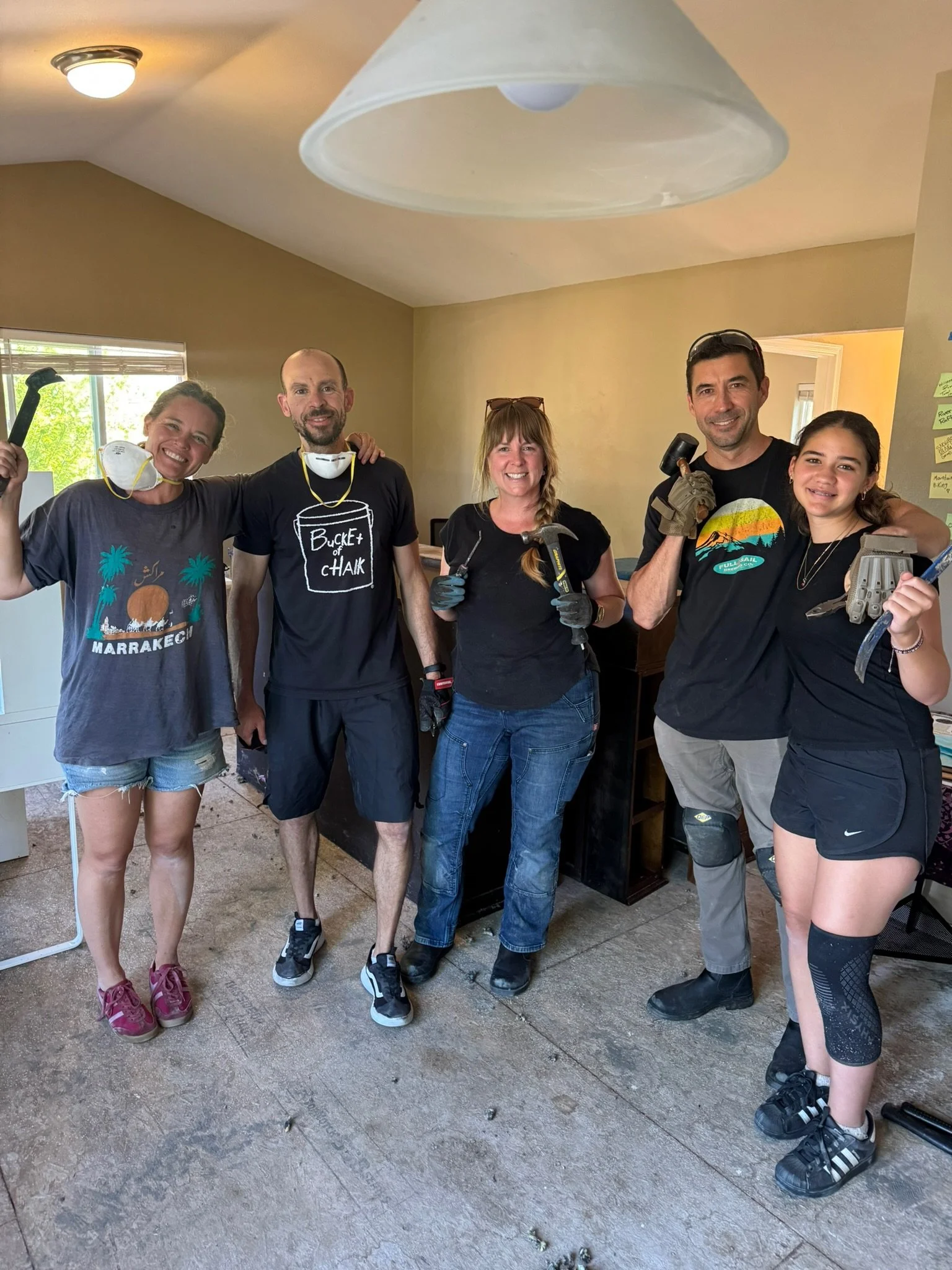
On Tuesdays, we go out into the world! We alternate between cultural field trips, community service, and nature immersions. We travel as a group on public transit or by car.
(such as: Lan Su Chinese Garden, OR Historical Society, Oak Savannah of West Linn, Meals on Wheels, Community Center volunteering)
-
All of our programs, preschool through 8th grade, are closed on Fridays to allow families and youth the ability to slow down and rest, or pursue further interests outside of school. We encourage our middle school students to consider a Friday apprenticeship in their community, and we help them organize one if they’re interested.
-
Learning looks different here. Every quarter, students meet with their chosen mentor, parents, and our school leader to set learning goals and reflect on the progress they’ve made so far.
Based on student interest, our teachers and mentors craft curriculum to offer our students the chance to discover new skills, new ways of thinking, and opportunities to collaborate and work on real life problems.
Learning is documented through living portfolios that include:
Project plans and research notes
Written or illustrated representations of learning
Math work and problem-solving evidence
Presentations, exhibitions, and performances
Reflections showing metacognition
-
Down to Earth Forest School began because a few families were willing to step outside the usual paradigm and try something new.
Over a decade in, we are thrilled to offer our K-5 families a chance to continue growing with us, and to invite new families to join us in our Middle School.
In our pilot school year, 2026-27, we have a thriving group of students off to a great start, with a few open spaces still available. Perhaps this is the school you and your student have been looking for.
-
We have learned from so many teaching pedagogies and types of schools, and while we consider our program a unique combination of these methods, here are a few resources we have been particularly inspired by:
Alliance for Self Directed Education
Nature and the Human Soul by Bill Plotkin
The End of Education as We Know It by Ida Rose Flores
How Children Succeed by Paul Tough
Prepared by Diane Tavenner
Creating Innovators by Richard Rende
Is This a Good Fit?
Fear not, your student doesn’t need to already be independent and self-driven to thrive at our middle school.
We are here to help your student build that independence, agency, and internal motivation.
Our model can be life-changing for:
Students who want more agency
Those who learn best by doing
Adolescents seeking belonging, purpose, and meaning
Families who want to be an active partner in their child’s learning
Students seeking real world applications to learning